

Review ArticleOpen Access, Volume 3 Issue 1
The impact of love and hate on the public health of individuals
Aeshah Hamdan Almutairi; Anas Dablool*; Modawy Elnour; Nayef Shabbab Almutairi; Meshari Almalki; Sarah Rashed AL-Malki; Zaina Masoud AL-Qahtani; Ruba Abdualaziz AL-Barakti; Jana Hasan AL-Thalabi
Department of Public Health, The College of Health Sciences, Umm Al-Qura University, Saudi Arabia.
*Corresponding author: Anas Dablool
Department of Public Health, The College of Health Sciences, Umm Al-Qura University, Saudi Arabia.
Email: asdablool@uqu.edu.sa
Received : Apr 27, 2025 Accepted : May 26, 2025 Published : May 30, 2025
Epidemiology & Public Health - www.jpublichealth.org
Copyright: Dablool A © All rights are reserved
Citation: Almutairi AH, Dablool A, Elnour M, Almutairi NS, Almalki M, et al. The impact of love and hate on the public health of individuals. Epidemiol Public Health. 2025; 3(1): 1071.
Abstract
This study explores the significant impact of love and hate on public health, focusing on their psychological and physical dimensions. It examines how these powerful emotions influence mental well-being, stress levels, and overall health outcomes.
A significant part of this research examines cultural differences in the perception and expression of love, comparing its influence in Arab and Western societies. The study examines how cultural norms, traditions, and societal expectations shape the experiences of love and its effects on individuals. It also explores how hate, as a counterforce to love, manifests in different contexts and contributes to negative health outcomes such as anxiety, depression, and cardiovascular issues.
The findings highlight that love, when cultivated and positively expressed, serves as a foundation for emotional stability and physical vitality, whereas unaddressed hate or negative relationships can exacerbate stress and reduce overall well-being. By drawing comparisons between Arab and Western cultures, the study provides a unique perspective on how societal constructs impact the role of love and hate in shaping public health.
This research contributes valuable insights to the fields of psychology, sociology, and public health, providing a foundation for further exploration into emotional well-being and its influence on the quality of life across diverse cultural settings.
Introduction
Love and hate are two of the most influential emotions shaping the human experience. They define how we relate to others, respond to challenges, and maintain emotional balance.
Love, whether romantic, platonic, or familial, is universally acknowledged as a source of strength and comfort. It fosters feelings of belonging, security, and purpose, which are vital for mental and physical health. Scientific studies have shown that love can boost immune function, reduce stress levels, and promote heart health. It serves as a buffer against life’s challenges, providing emotional support that enhances resilience and happiness.
On the other hand, hate is a detrimental emotion that can erode the well-being of individuals over time. Rooted in anger, resentment, or fear, hate disrupts mental stability and fosters stress, anxiety, and even chronic health issues such as hypertension and cardiovascular diseases. Hate has the potential to create societal divides and perpetuate cycles of negativity, leaving a lasting impact on both individuals and communities.
This study aims to examine in greater detail the effects of love and hate on public health, with a focus on their psychological and physiological consequences. By examining the different types of love and their varying expressions across cultures—particularly comparing Arab and Western societies—the research aims to provide a nuanced understanding of these emotions. Furthermore, the study explores the cultural, societal, and environmental factors that influence the way these emotions are experienced and expressed, highlighting their significance in shaping the overall health of individuals.
Understanding the intricate dynamics of love and hate is essential for promoting mental and physical health. By identifying the ways in which these emotions affect individuals, this research aims to contribute to the development of strategies and interventions that foster love, reduce the impact of hate, and ultimately enhance public health outcomes on a global scale.
Literature review
Definition of love
Love is a profound and multifaceted emotion that transcends cultural, linguistic, and societal boundaries. It is often considered one of the most fundamental human experiences, shaping our connections with others and influencing our sense of identity and purpose. At its core, love is characterized by deep affection, care, and commitment, extending across various dimensions such as romantic, familial, platonic, and even self-love) [5].
Love in arabic culture
Love among the Arabs, particularly chaste love (hub al-udhri), was a profound and pure form of affection celebrated during the pre-Islamic era. It was characterized by its sincerity and deep emotional connection, where the lover remained wholly devoted to their beloved without sharing their heart with another. This type of love often brought sorrow and longing due to separation or unfulfilled union, reflecting the hardships of the simple, tribal life of the Arabs. Chaste love transcended physical desires, focusing instead on a spiritual bond. It was described as a love where “the heart has no room for another after the beloved’s love has settled within.” With the rise of Islam, chaste love remained respected, as it was in harmony with the values of purity and virtue. This love, deeply rooted in loyalty and sacrifice, became a cornerstone of Arab poetry and storytelling, immortalizing the lovers’ devotion and their elevated, timeless emotions Love among the Arabs, particularly chaste love (hub al-udhri), was a profound and pure form of affection celebrated during the pre-Islamic era. It was characterized by its sincerity and deep emotional connection, where the lover remained wholly devoted to their beloved without sharing their heart with another. This type of love often brought sorrow and longing due to separation or unfulfilled union, reflecting the hardships of the simple, tribal life of the Arabs ( Dr. Yousef Khalifa).
Love in western cultures
Love in Western cultures is often depicted as a powerful and transformative emotion, deeply embedded in literature, art, and social norms. It is characterized by the emphasis on individual choice and romantic connection. Unlike the structured and often communal approaches in some other traditions, Western ideas of love prioritize personal freedom, emotional intimacy, and mutual attraction. This notion is vividly captured in classic literary works and continues to influence contemporary media and interpersonal relationships. As explored in Western literature, love not only represents passion and union but also serves as a lens to examine broader human experiences and societal ideals (Love in South Asia , May 2006).
Types of love
Love of the prophets and righteous: The love of the Prophets and righteous individuals is a fundamental part of faith in Islam, as their devotion to God, His Messenger, and their divine mission serves as a model for Muslims. For example, Prophet Ibrahim demonstrated his love for God by his willingness to sacrifice his son, Isma’il, in obedience to Him, while Prophet Muhammad (PBUH) endured great hardships out of love for his followers and to spread the message of Islam. The companions also manifested their love for the Prophet through their immense sacrifices. Abu Bakr al-Siddiq spent all his wealth to support the Islamic cause and risked his life by accompanying the Prophet on the Hijrah. Umar ibn al-Khattab, who once opposed Islam, became one of its greatest defenders, sacrificing his wealth and efforts for the faith. The love of the Prophets and the righteous is not merely an emotional connection but a guiding principle that inspires believers to embody patience, perseverance, and sacrifice for the sake of God (Love of the Prophets and Righteous, 2024).
Love for children: The love that children need is unconditional, not tied to their behavior or actions. It is the kind of love that provides them with a sense of security and belonging, regardless of their mistakes or failures. True love is expressed through kind words, warm gazes, and actions that support them even in their moments of weakness (Mazroui, F. S., 2020).
The love we offer our children must be visible and actionable. It is not enough to say ‘I love you’; instead, love should manifest in consistent care, listening, understanding their needs, and being present in their lives. When love is expressed genuinely, it builds trust and strengthens the bond between parents and children [7].
Love between spouses: In marriage, one of the most powerful tools to keep the love alive is learning and speaking the ‘love language’ of your spouse. Love is expressed in five different languages: Words of Affirmation, Acts of Service, Receiving Gifts, Quality Time, and Physical Touch. When we speak our spouse’s primary love language, it fills their emotional tank and deepens the connection. Love is not just a feeling but a choice and an action that fosters understanding, kindness, and respect. The bond between a husband and wife is strengthened when both partners actively communicate and express their affection in ways that resonate with each other [9].
Self-love: Self-love is not about being self-absorbed or narcissistic. It is about accepting who we are and embracing our imperfections. It means treating ourselves with the same kindness, respect, and compassion that we offer to others. True self-love involves caring for our mental, emotional, and physical well-being. It’s about understanding that we are worthy of love and care, and giving ourselves the space to heal, grow, and thrive. When we love ourselves, we are better able to love and connect with others [8].
Love for friends: friendships, we find not only companionship but also a unique kind of love that demands sacrifice and selflessness. True friends are those who stand by us in our most challenging moments, offering emotional support and encouragement. The bond of friendship is rooted in mutual respect and a willingness to give, often without expecting anything in return. In this sense, friendship embodies a deeper love that transcends ordinary affection, grounded in the understanding that the essence of friendship is found in the ability to care deeply for one another, especially in times of hardship [22].
Degrees of love
In The Road Less Traveled, M. Scott Peck discusses how love exists in different degrees and stages. He explains that love begins with initial attraction or infatuation, a state often driven by passion. As individuals grow, the love deepens into a more stable and committed form, where emotional intimacy and mutual respect develop. Peck emphasizes that true love requires effort, responsibility, and discipline. He categorizes love into stages, from the shallow, infatuated kind of love to the deeper, more enduring love that grows through effort and commitment. These stages represent the evolution of love as it matures, becoming unconditional and more aligned with spiritual growth. Peck suggests that love, at its highest form, is about giving without expectation and making a conscious choice to nurture and grow the relationship. M. Scott Peck explores the different degrees of love, emphasizing that love is not just an emotion but a choice and an action. He explains that true love involves discipline, responsibility, and the willingness to grow together in a relationship. Peck describes the different stages of love, from initial infatuation to a more mature, unconditional love that evolves over time. He suggests that love becomes stronger as individuals overcome challenges together, and that the most profound love requires commitment and effort to thrive (Peck, M. S., 1978).
Desire, attraction
Infatuation, or the initial attraction, is the first stage of love. It begins with an intense desire and curiosity, often fueled by physical attraction and the thrill of novelty. This early stage is marked by powerful emotions, but it is fragile and unstable, often dissipating quickly if not nurtured into something deeper [12].
Desire and attraction are the initial sparks in romantic relationships. They are the emotional and physical draw that pulls two people together, but they are often short-lived unless they evolve into a deeper emotional connection. This initial infatuation often fades, but when supported by secure attachment, it can develop into lasting love (Levine, A., & Heller, R., 2010).
Liking and interest
At the beginning of a relationship, attraction and interest are often fueled by novelty and excitement. The early stages are marked by a sense of mystery and fascination, where we are drawn to the unfamiliar aspects of the other person. This phase is crucial as it sets the foundation for deeper emotional connection, but it is often driven by idealization and a desire to explore the unknown [23].
Youthful zeal
The early stages of a romantic relationship, especially for young people, are often characterized by intense excitement and the rush of infatuation. This phase is marked by a heightened sense of attraction, where everything feels new and thrilling. The enthusiasm of youth makes this stage particularly intense, with the desire for connection often outweighing rational thought (Ansari, A., 2015).
Love
Men and women have different ways of expressing love, yet both are driven by the same fundamental desire: to feel loved and appreciated. For men, love is often expressed through actions and problem-solving, while women tend to express love through emotional connection and verbal communication. Understanding these differences helps foster deeper emotional bonds and appreciation in relationships [15].
Deep attraction
When we are in love, we often experience intense feelings of passion and attraction. But lasting love requires more than just physical attraction. It is built upon shared emotional connections, mutual respect, and understanding of each other’s needs. Deep attraction grows when both partners speak each other’s love language and invest in the relationship [9].
Passionate love
In “The Psychology of Human Love”, Robert J. Sternberg explores the dimensions of love and elaborates on the emotional aspect of love. He describes emotional love as the deep affection and emotional connection one feels for another person, which is built over time through shared experiences, mutual understanding, and respect. Emotional love can foster intimacy and closeness, forming the core of meaningful relationships. Sternberg emphasizes that while emotional love is powerful, it requires the development of other dimensions, such as passion and commitment, for it to flourish into lasting love [27].
Definition of hatred
Definition of hatred in the arabic language: Hatred among Arabs has been, and still is, a phenomenon tied to social and cultural contexts. It often stems from various roots, such as tribal conflicts, economic competition, and political disputes. While Arabs have known tolerance and coexistence during many periods of their history, hatred has occasionally been used as a tool to fuel conflicts and deepen divisions. Hatred is not a permanent trait but rather a reflection of circumstances and situations that can be changed through dialogue and building bridges of understanding [4].
The worldwide definition of hatred: Hatred is universally defined as a deep feeling of hostility and aversion toward a person, group, or idea, often accompanied by the desire to harm or marginalize the target. This intense negative emotion is frequently linked to biases based on cultural, religious, political, or social factors. On a legal level, “hate crimes” are defined in many countries as aggressive acts committed against individuals based on their racial, religious, or sexual identities [30].
Types of hatred: Hatred manifests in various forms based on its causes and motivations. Personal hatred arises from individual conflicts, often driven by emotions like jealousy or anger. Cultural or racial hatred reflects biases against a specific ethnic or cultural group, typically resulting from ignorance or historical competition. Religious hatred emerges due to differences in beliefs and is often exploited to create divisions. In the political realm, hatred is evident in ideological disputes that lead to sharp societal divisions. Institutional hatred involves systemic biases against certain groups, such as racial or religious minorities. Lastly, self-hatred is directed inward by individuals towards themselves, stemming from feelings of guilt or self-rejection, significantly affecting mental well-being [2].
Causes of hatred: The causes of hatred among individuals and communities vary based on several factors. One of the primary reasons is ignorance and bias, where a lack of understanding or knowledge about others fosters negative stereotypes. Similarly, fear of difference plays a significant role, as cultural, religious, or racial differences can create a sense of insecurity. On a personal level, negative experiences, such as abuse or injustice, may lead to hatred toward specific individuals or groups. Additionally, economic factors, such as competition for resources or poverty, can intensify hatred among different social classes. Media and political propaganda are also instrumental in fueling hatred by exacerbating divisions and conflicts. Finally, social upbringing plays a substantial role, as individuals often acquire feelings of hatred from their environment through upbringing or prevailing beliefs [2].
Levels of hatred: Hatred can be categorized into simple, moderate, and severe levels, depending on its intensity and impact. Simple hatred involves feelings of aversion or discomfort toward a person or idea without any intention of harm, often temporary and resolvable through dialogue or time. Moderate hatred reflects a deeper rejection that leads to avoiding the targeted person or group, often fueled by negative experiences or ideological differences, making it more persistent. Finally, severe hatred represents intense hostility rooted in feelings of vengeance or a strong desire to cause harm. This is the most dangerous level of hatred and typically requires intervention to mitigate its effects [2].
Results
A comprehensive study was conducted, collecting responses from 1,000 participants representing various social segments and age groups. The participants, ranging from young adults to seniors, provided valuable insights into the diverse effects of love and hate on mental, emotional, and physical health across different life stages and demographic backgrounds.
The mean age of respondents was 34 years (median 30 years). The results showed the largest percentage of participants were aged between 21 and 30 years, followed by the age group of 41-50 years. The gender distribution of the sample included 58% females (n=580) and 42% males (n=420). Married participants accounted for 62% of the sample (n=620), while 38% were single or in other relationship statuses (n=380). A smaller percentage of the sample consisted of divorced and widowed individuals.
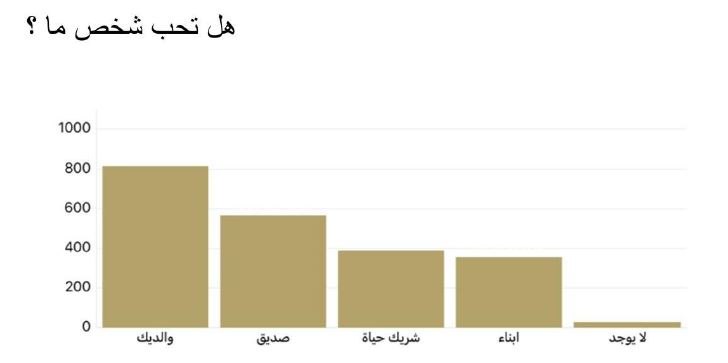
The results reveal that the most loved group is parents, chosen by over 800 participants. This is followed by friends, selected by approximately 600 participants. Life partners and children were equally chosen by about 400 participants each. Meanwhile, the smallest number of participants, only a few dozen, indicated that they don’t love anyone. These findings emphasize the importance of familial and social bonds in shaping participants’ understanding and experiences of love.
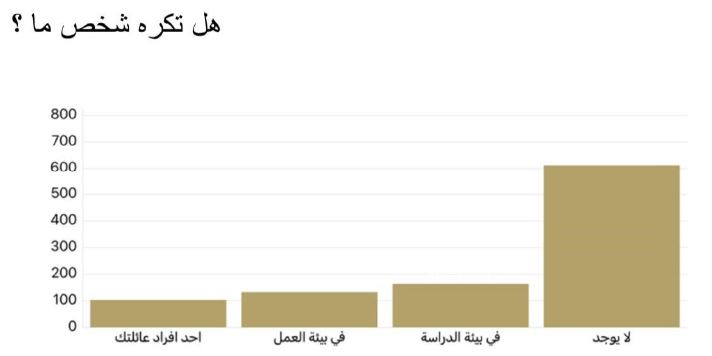
The results show a significant pattern in people’s reported feelings of dislike or aversion across different social contexts. The majority of respondents, approximately 600 individuals, indicated they do not harbor negative feelings towards anyone, suggesting a generally positive or neutral disposition. In educational settings, around 160 participants reported experiencing dislike, while slightly fewer respondents (approximately 120) indicated negative feelings in their work environment. The smallest category was family-related discord, with about 100 participants reporting dislike towards a family member. This distribution highlights that while most people maintain harmonious relationships across their social spheres, challenges and negative feelings do exist, particularly in educational and professional environments, with family relationships showing relatively lower levels of reported antipathy.
The comparison results show that feelings of love are primarily concentrated in family relationships and close social bonds, with parents taking the first place, followed by friends, then life partners and children, with a very small percentage of people not loving anyone. On the other hand, the vast majority of participants do not harbor feelings of hatred towards anyone. When hatred does emerge, it is more common in social interaction environments like school and work rather than within the family circle. This reflects the nature of the society, which clearly tends towards positive emotions and supportive relationships, with negative emotions being limited and confined to specific contexts.
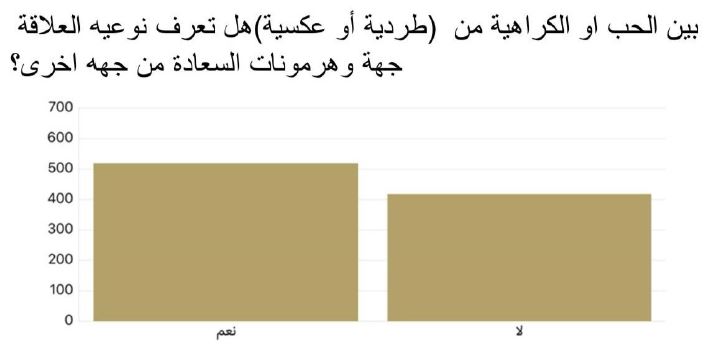
The results indicate that approximately 70% of participants believe there is a positive relationship between love and happiness hormones, such as serotonin and dopamine, where love increases these hormones. About 20% believe that hatred has a negative relationship, decreasing the levels of these hormones.
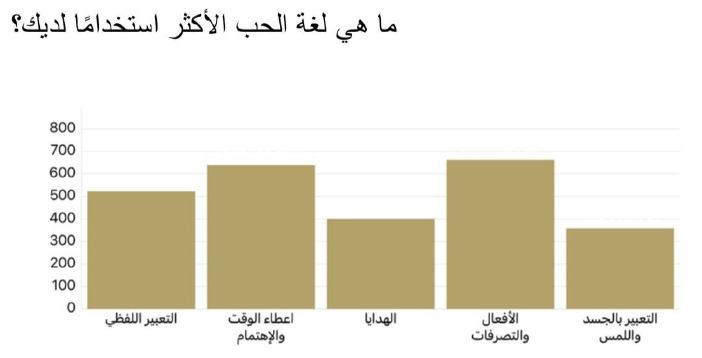
The results indicate that “Acts of Service” is the most common love language, followed by “Quality Time and Attention.” Next in line are “Words of Affirmation” and “Physical Touch”.
Discussion/conclusionn
This study underscores the profound influence of emotions like love and hate on public health, emphasizing their psychological and physical effects on individuals. Positive emotions, particularly love, play a critical role in fostering mental and physical well-being. Love reduces stress, enhances immune system function, and promotes a sense of happiness and social connectivity, which collectively contribute to a healthier and more fulfilling life. These benefits underscore the importance of cultivating positive emotional experiences for both individual and societal health outcomes.
Conversely, negative emotions such as hate pose serious risks to public health. Hate increases stress levels, disrupts hormonal balance, and elevates the risk of cardiovascular diseases and other chronic health issues. Its impact extends to mental health, contributing to anxiety, depression, and feelings of isolation. The findings highlight the urgent need for public health interventions to address and mitigate the detrimental effects of such emotions on individuals and communities.
Cultural variations significantly shape the expression and perception of love and hate. In Arab societies, where collectivism and strong familial bonds are emphasized, love is often deeply rooted in community and family ties. This collectivist orientation amplifies the emotional resilience provided by love, creating a buffer against stress and enhancing overall well-being. On the other hand, Western societies, characterized by individualism, tend to focus on personal expressions of love and autonomy. While this can promote self-fulfillment and personal growth, it may also result in distinct challenges, such as limited emotional support from extended family networks. These cultural dynamics illustrate the complex interplay between societal values and emotional health, revealing how emotional experiences are shaped by broader social contexts.
Furthermore, the study highlights actionable strategies to mitigate the harmful effects of hate and promote positive public health outcomes. Interventions such as fostering forgiveness, encouraging empathy, and supporting positive social interactions are essential tools for reducing the psychological burden of negative emotions. By promoting understanding and emotional reconciliation, these strategies can significantly diminish the adverse impacts of hate on both individual and collective health. Additionally, public awareness campaigns, mental health programs, and community-based initiatives can play pivotal roles in encouraging healthier emotional practices and fostering a culture of positivity and resilience.
Overall, the findings emphasize the need for an integrated approach that addresses the emotional dimensions of health. By understanding the effects of love and hate within different cultural frameworks and implementing targeted interventions, it is possible to improve mental and physical well-being, reduce health disparities, and enhance public health outcomes globally.
References
- Al-Ahwani, A. F. (n.d.). Love and Hatred. Cairo: Dar Al-Ma’arif.
- Al-Abdali S. Manifestations of Hatred and Its Impact on Societies. Beirut: Dar Al-Fikr Al-Arabi. 2021.
- Al-Bukhari M. Sahih Al-Bukhari. Beirut: Dar Al-Fikr. 1987.
- Al-Hassan M. Hatred and Society: A Historical and Social Analysis. Cairo: Dar Al-Ma’arifa. 2022.
- Al-Jundi A. Philosophy of Emotions: Love as a Universal Experience. Cairo: Dar Al-Hikma. 2022.
- Al-Jubouri A. Psychology and Mental Health. Beirut: Dar Al-Fikr Al-Arabi. 2018.
- Al-Muayed SY. My Son, It’s Not Enough That I Love You. 2017.
- Brown B. The Gifts of Imperfection. 2010.
- Chapman G. The 5 Love Languages. Northfield Publishing. 1992.
- Fisher H. Why We Love: The Nature and Chemistry of Romantic Love. Holt Paperbacks. 2004.
- Fisher H. Why We Love: The Nature and Chemistry of Romantic Love. Holt Paperbacks. 2006.
- Fromm E. The Art of Loving. Harper & Row. 1956.
- García Márquez G. Love in the Time of Cholera (E. Grossman, Trans.). Alfred A. Knopf. 1985.
- Gottman J. The Heart of Love: The Art and Science of Lasting Relationships. 1999.
- Gray J. Men Are from Mars, Women Are from Venus. 1992.
- Gibran K. The Broken Wings. 1912.
- Heller DP. The Power of Attachment: How to Create Deep and Lasting Relationships. 2019.
- Hooks B. All About Love: New Visions. HarperCollins. 2000.
- Ibn Hazm. The Ring of the Dove: A Treatise on the Art and Practice of Arab Love (R. Nicholson, Trans.). Luzac Oriental. (Original work published in 1022). 1981.
- Ibn al-Mulawwah, Q. (7th century). Majnun Layla.
- Kaiser S. The Self-Love Experiment. 2017.
- Lewis CS. The Gift of Friendship. 1960.
- Perel E. Mating in Captivity: Unlocking Erotic Intelligence. 2006.
- Perel E. The State of Affairs: Rethinking Infidelity. 2017.
- Potts R. Vagabonding: An Uncommon Guide to the Art of Long-Term World Travel. 2003
- Saif M. The Science of Hormones and Their Impact on Behavior. Beirut: Dar Al-Fikr Al-Hadith. 2021.
- Sternberg RJ. The Psychology of Human Love. 1986.
- Tozer AW. The Love of God. 1961.
- Tutu D, Lama D. The Book of Joy. 2016
- World Health Organization (WHO). The Psychology of Hatred: Understanding Its Social and Individual Impacts. Geneva: WHO Publications. 2019.